The Collective
Within tribal communities, diversity of experience, region, and identity strengthens the whole. By working together rather than in isolation, we share our resilience and amplify the collective knowledge that sustains cultural continuity.
Cedar Nation hopes to develop intergenerational collaboration among relatives across regions, guided by kinship rather than confined by state lines. With this value, we will expand creative advocacy networks and cultural exchange.
The Artists, Organizers & Knowledge Keepers
Meet the creative and dedicated individuals driving Cedar Nation forward. As our projects grow and evolve, these roles may rotate and transition, reflecting the collective and ever-evolving spirit of our work, advocacy and exhibitions. Together, we are committed to equity for Native artists and protecting space for future generations.
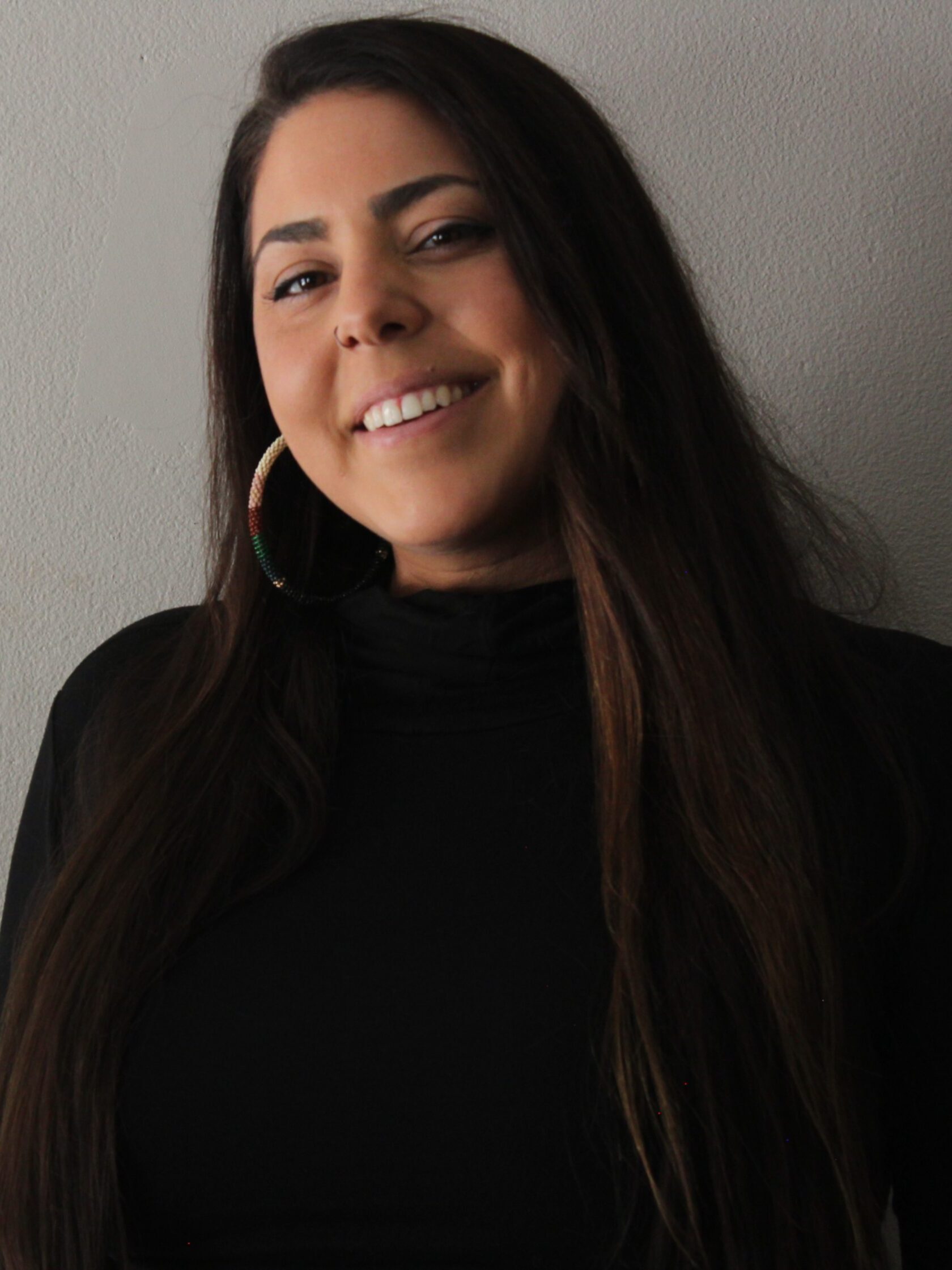
Brooke Waldron (Seaconke Wampanoag/Narragansett)
Founding Director, Artist, Curator
Learn More
Brooke has worked extensively in the tribal non-profit sector and as a consultant strategist for other arts-based organizations. She has served in several roles to national committees and traveled to Washington DC several times to support efforts protecting tribal funding legislation. Brooke has exhibited her paintings and sculptural work at several galleries, and has been an award recipient and commissioned for purchase and inclusion in permanent public collection.
She is the lead curator for Ascending: The Liberation of Native Art. She was prompted to develop this exhibition after repeated instances of Native narratives and art being mischaracterized or distorted in mainstream art spaces. Through the founding of Cedar Nation, she hopes to elevate and build relationships that will create lasting impact for Native expression.
Brooke’s work is consistent with expressing identity, nature and vibrant use of color in her creative practice. Her work represents and honors her sincere love for wildlife, the four-legged relatives.
She is the lead curator for Ascending: The Liberation of Native Art. She was prompted to develop this exhibition after repeated instances of Native narratives and art being mischaracterized or distorted in mainstream art spaces. Through the founding of Cedar Nation, she hopes to elevate and build relationships that will create lasting impact for Native expression.
Brooke’s work is consistent with expressing identity, nature and vibrant use of color in her creative practice. Her work represents and honors her sincere love for wildlife, the four-legged relatives.
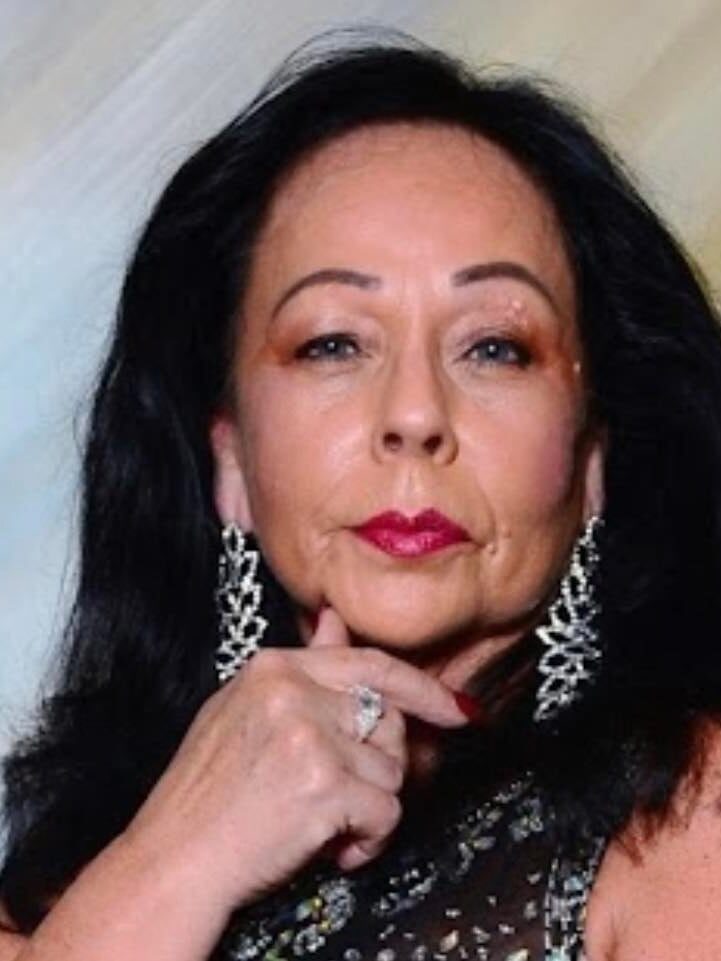
Kathy Atkins (Tuscarora)
Artist, Knowledge Keeper, Advisor
Learn More
Kathy has over 30 years of experience at the executive level in Native American community and tribal engagement and has served several appointments for the National Indian and Native American Employment and Training Council for the Dept of Labor. Kathy is a master Haudenosaunee beader, the traditional beadwork of her community predates European contact and is passed down through generations. Her work features traditional details of Haudenosaunee beading and stitching, while incorporating her own expressive style. Her family’s beadwork has been featured and awarded recognition at the prestigious Sante Fe Indian Market. She is a loving mother, grandmother, and a talented cultural practitioner representing her communities of the Haudenosaunee Confederacy.
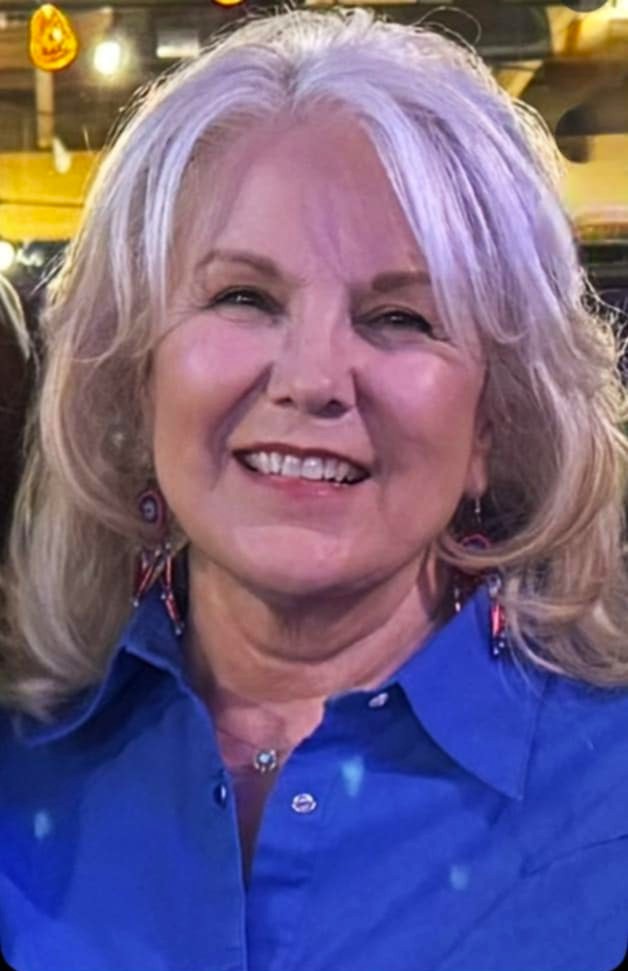
Christine Campbell (Cherokee Nation of Oklahoma)
Knowledge Keeper, Advisor
Learn More
Christine is an enrolled citizen of the Cherokee Nation of Oklahoma, Wolfe clan and the seventh generation granddaughter of NAN YE HI who became GHIGAU, she is also a direct descendant of Chief Lewis Downing. Christine retired in June 2022 after 41 years at the American Indian Council. She served for 26 years on the American Indian Advisory Council to the US Department of Labor Division of Native American programs.
She credits growing up during the 60s/70s during a dangerous time for Native communities, and has been a relentless life-long advocate. Christine is a well-respected knowledge keeper and was cofounder of a successful 10-year annual American Indian symposium organizing collaboration with Native leaders such as First Woman Principal Chief of Cherokee Nation Wilma ManKiller, Billy Mills American Olympic, and Susan Shown Harjo, American advocate for Native American rights.
She is a loving mother, grandmother, and auntie who serves as a fierce, respected advocate for the Native community.
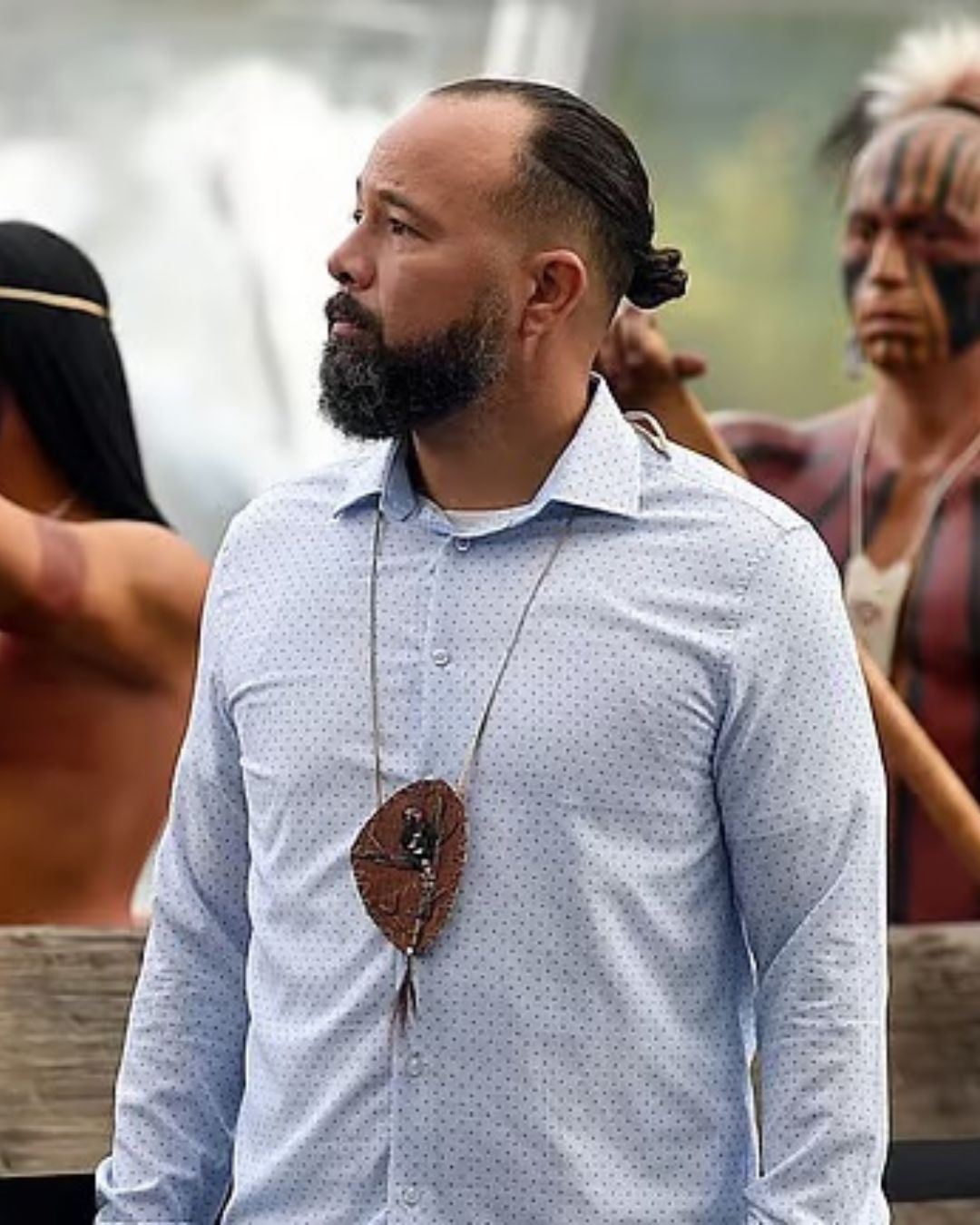
Josh Carter (Mashantucket Pequot)
Artist, Knowledge Keeper, Advisor
Learn More
Josh is the son of Joseph Carter IV, who is the son of Phyllis Monroe-Waite, who is the daughter of Clifford Cyrus Copperhead Sebastian, who is the son of Annie George. He is a husband, blessed father and grandfather who holds his family close to his heart. Josh is the current Executive Director of the Mashantucket Pequot Museum and Research Center and embraces the responsibility and honor of carrying out the Museum’s mission to strengthen Pequot culture.
Prior to serving as Executive Director, he spent twelve years in various roles within the Tribe’s Human Resources Department, most recently as Director of Tribal and Native American Relations at Foxwoods Resort Casino. Josh is a talented Wampum artist and has dedicated the past twenty years to working with the quahog shell. Rooted in the tradition, language, and practices of his distant relatives, his work reflects a deep respect for cultural heritage and a commitment to passing this knowledge on to his family. He credits his teacher, Allen Hazard of the Narragansett Nation, for sharing his deep understanding of the ancient traditional art of wampum.
Josh has been committed to connecting and building relationships within our Tribal Nations, Indigenous communities and with Tribal friendly organizations and institutions in an effort to create healthy, mutually beneficial allies.
Felicia Bartley (Isleta Pueblo)
Curator, Speaker, Archivist
Learn More
Felicia received her BA in Art History from the University of Colorado Boulder, and MA from Brown University. She previously worked as the Associate Curator of Native American and Indigenous History at History Colorado and is currently the Tribal Archivist under the Cultural & Historic Preservation at Isleta Pueblo in New Mexico. Felicia has authored several publications including ‘Scorched Memories of the Abandoned Albuquerque Indian School’ in 2021 and ‘Versace’s Native American: A Colonized Body in the Name of Aesthetic and Dynastic Glory’ in 2019.
Felicia’s expansive knowledge in public relations and the dynamic between Tribal Communities and Public Museums reflects her position as the chosen keynote speaker for a planned lecture on the role of art and museum institutions in decolonization and what it means to be a good relative.
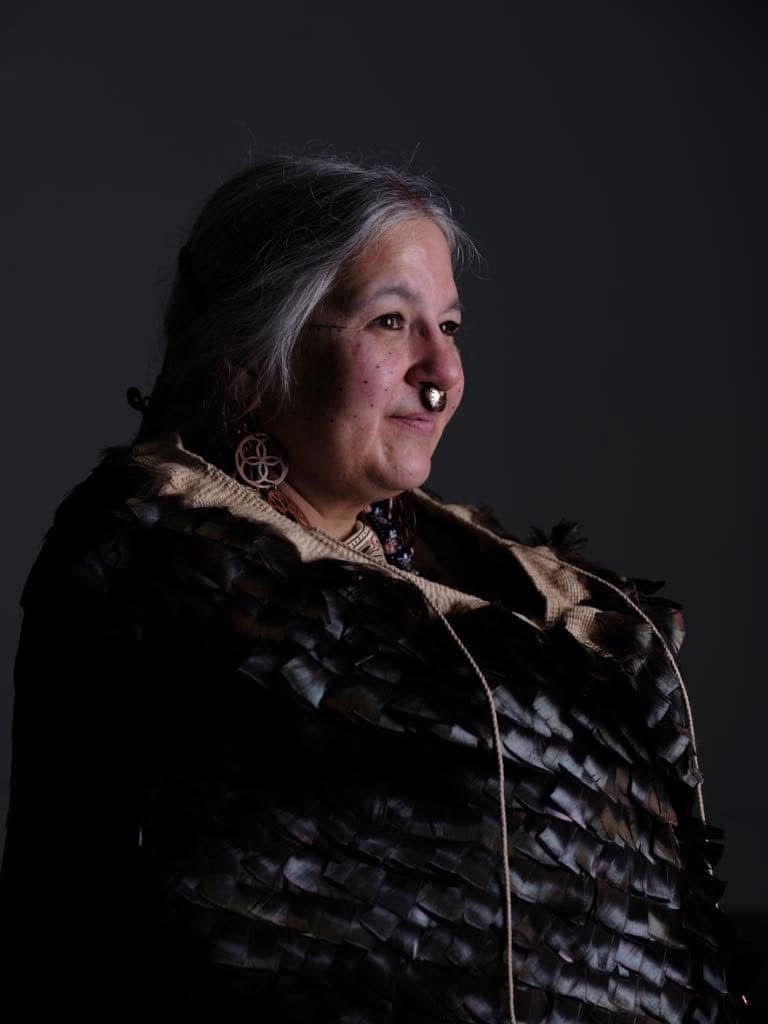
Julia Marden (Aquinnah Wampanoag)
Knowledge Keeper, Artist
Learn more
Julia Marden is a proud citizen of the Wampanoag Tribe of Gay Head (Aquinnah), deeply connected to her ancestral homeland on Martha’s Vineyard, Massachusetts—a place that has profoundly shaped her artistic journey. Now based in South Ryegate, Vermont, she operates Bluejays Visions, where she creates culturally significant works that reflect and honor Wampanoag traditions and lifeways.
Julia specializes in twining, an ancient weaving technique used to create 17th-century-style baskets, burden straps, and sashes. Her work also includes painting, regalia, wampum belts, and her renowned Enimuog (The People) dolls, authentically dressed in 1600s Wampanoag clothing. Each piece reflects her commitment to preserving and revitalizing Wampanoag cultural heritage.
Julia is an award-winning artist recognized for her mastery of Eastern Woodland art. She was chosen for the Community Spirit Award in 2025 given by The First People’s Fund and has been memorialized at the MFA Boston in a bronze cast platinum sculpture titled ‘The Knowledge Keepers.’ Julia’s art has been featured in exhibitions at the Mashantucket Pequot Museum, the Robbins Museum, and the State House in Boston. Highlighted in ‘Keepers of Tradition: Art and Folk Heritage in Massachusetts,’ her work is also held in permanent collections that honor Indigenous art and cultural history across New England.
As a dedicated educator and cultural preservationist, Julia passes on her intricate skills to the next generation of Native artists—mentoring apprentices in basketry, engaging in cultural gatherings, and teaching practices such as wampum belt making. Her role as a teacher is central to her work, ensuring Wampanoag art, stories, and techniques remain alive for future generations.
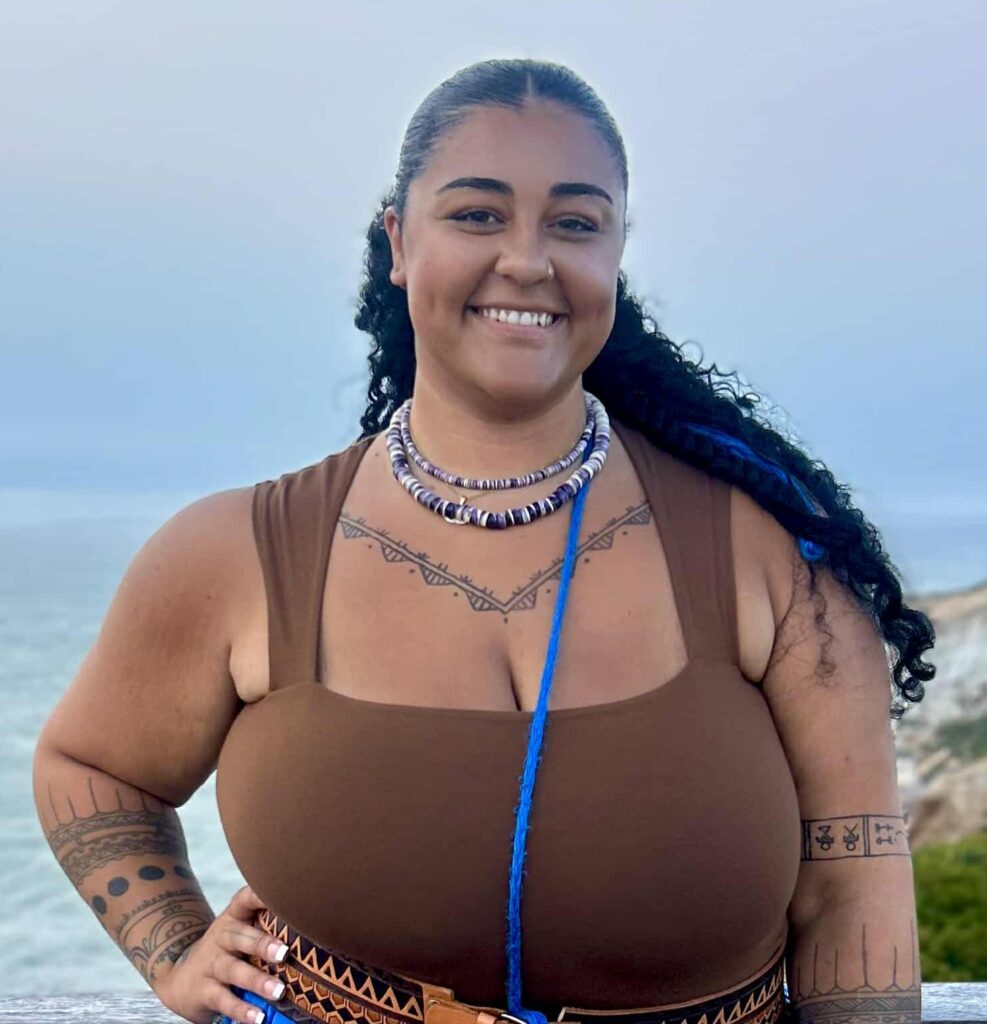
Miciah Stasis Harding (Herring Pond Wampanoag)
Artist
Learn More
Miciah is a traditional tattoo practitioner, wampum artist, and quill worker from the Herring Pond Wampanoag Tribe of Massachusetts. She carries forward ancestral practices of storytelling, healing, and cultural revitalization through her art, traveling across Turtle Island to offer traditional hand-poked tattooing. Her work with wampum and quillwork reflects a commitment to keeping these artforms alive for future generations. Centering cultural survival, healing, and kinship, Miciah’s artistry serves as a vessel for reclaiming practices once threatened and strengthening community connections.